
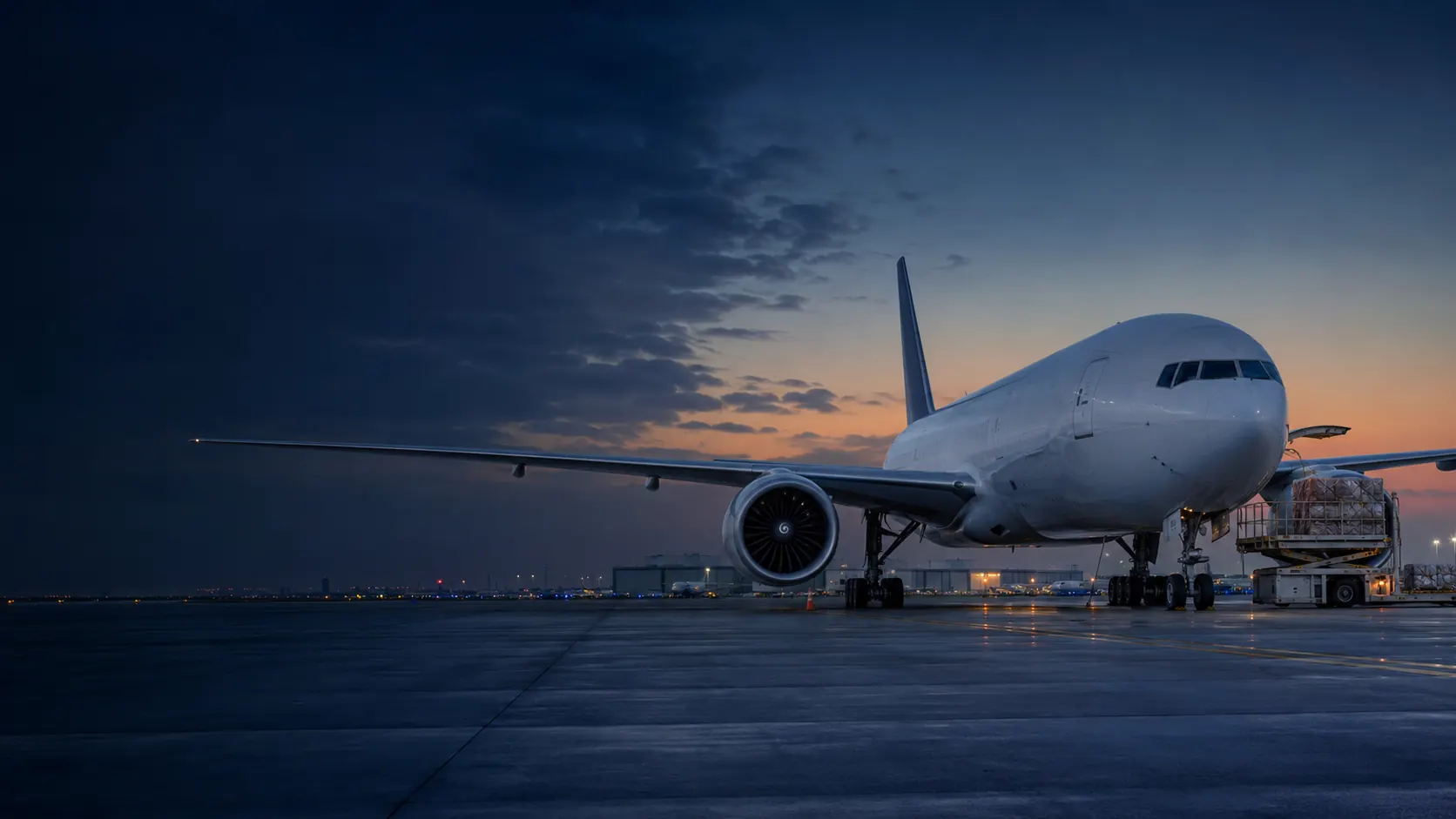
Six Business Reasons to Choose Air Freight
Much Shorter Transit Times
Intercontinental transport can be reduced to a matter of days. Flight time, however, is not the same as door-to-door delivery time: origin handling, booking, connections, customs and final delivery must also be included. The real advantage is a shorter total supply lead time.
A More Controlled Customs Workflow
Air freight does not simplify customs law or reduce tax. Its advantage is a structured workflow built around standard documents such as the Air Waybill, Commercial Invoice and Packing List, together with the ability to transmit data before arrival. When information is accurate, checks and corrections can begin earlier.
A Faster Cash Conversion Cycle
Earlier arrival can bring goods into production, sale or customer acceptance sooner, shortening the time capital remains tied up in transit. Collection still depends on payment terms, delivery conditions and customer acceptance; air freight accelerates the physical cycle but does not guarantee payment.
Greater Agility During Disruption
Port congestion, long ocean routes and land-border queues can last for weeks during some disruptions. Air networks may allow faster evaluation of another airline, hub or destination airport. War and airspace closures also affect aviation, so the advantage is not immunity from risk—it is the ability to redesign the route more quickly when capacity exists.
Lower Inventory and Storage Exposure
Shorter replenishment time can help a business maintain service levels with less safety stock. For fast-changing, seasonal or high-value products, smaller and more frequent shipments may reduce overstock, storage costs and obsolescence risk.
Stronger Security and Visibility
Air cargo moves through closely monitored acceptance, security, terminal and flight processes. Shorter transit and dwell times can reduce exposure to damage, loss or unauthorised access for some commodities. Proper packaging, accurate declaration and cargo insurance remain necessary.
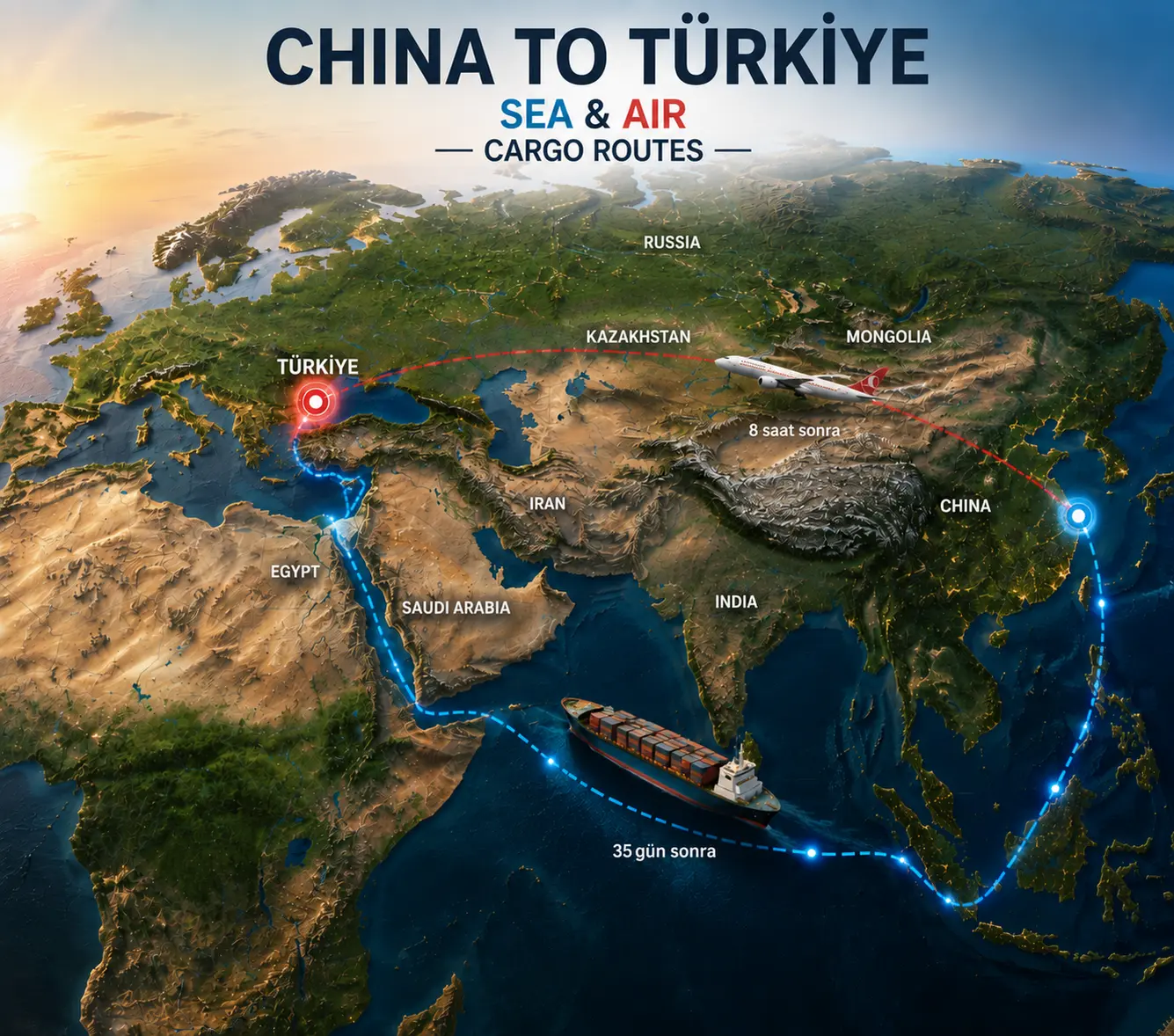
Is Customs Clearance Really Easier by Air?
‘Easier’ is too broad. A more accurate description is that the process can often be prepared earlier and managed more closely. Duties, permits, conformity checks and product-safety obligations do not disappear. Time is gained through early, accurate data, standard transport documents and digital information exchange between the parties.
Is Air Freight Always Safer During War or Crisis?
No. Airspace closures, flight cancellations, reduced capacity and additional security measures can immediately affect cost and transit time. Air freight may still offer faster rerouting through another flight, hub or airport because cargo is not committed to one long ocean journey. The decision must be based on live route and capacity conditions.
Compare Total Business Cost, Not Freight Rate Alone
01What does one day of delay cost in production, sales or customer confidence?
02How much working capital remains tied up while the goods are in transit?
03What is the loss if inventory runs out or a selling season is missed?
04Does the product’s value-to-weight ratio support air freight?
05Are its dimensions, hazard classification and temperature needs acceptable for flight?
06What are the true door-to-door times of ocean, road and multimodal alternatives?
When Is Air Freight the Wrong Choice?
Ocean or road freight normally offers a stronger cost advantage for low-value, heavy, bulky and non-urgent cargo. Oversized pieces, certain dangerous goods and special acceptance requirements may also restrict capacity. Professional judgment does not mean putting every shipment on an aircraft; it means pricing the value of time correctly.
Which Shipments Are Better Suited to Air Freight?
Production-critical spare parts
High-value electronics and technology
Seasonal products or goods for a scheduled campaign
Samples, prototypes and urgent commercial documents
Time- and temperature-sensitive goods
Rapid replenishment to prevent a stockout
Frequently Asked Questions
Is air freight always the fastest option?+
It is usually the fastest main mode on long-distance routes, but door-to-door time also depends on booking, connections, terminal handling, customs and final delivery.
Does air freight reduce customs duty?+
No. Duties and import requirements depend on the commodity’s HS code, origin, value and applicable law. The transport mode does not remove tax by itself.
Why is air freight more expensive?+
Aircraft capacity, fuel, security, terminal handling and rapid operations carry higher costs. Pricing may also use the higher of actual and volumetric weight.
Should I choose air or ocean freight during a crisis?+
There is no universal answer. Current airspace, port, border, capacity, insurance and delivery-date conditions must be checked together.
What information is needed for an air-freight quote?+
A Commercial Invoice and Packing List are ideal. Also provide the commodity, package dimensions, gross weight, origin, destination and required delivery date.
Sources and Application Note
This guide draws on IATA material concerning the commercial value of air cargo, digital data exchange and operating standards, together with the WCO–ICAO approach to pre-loading cargo information. A final mode decision requires actual shipment data, current capacity, airline acceptance and customs requirements to be verified.